
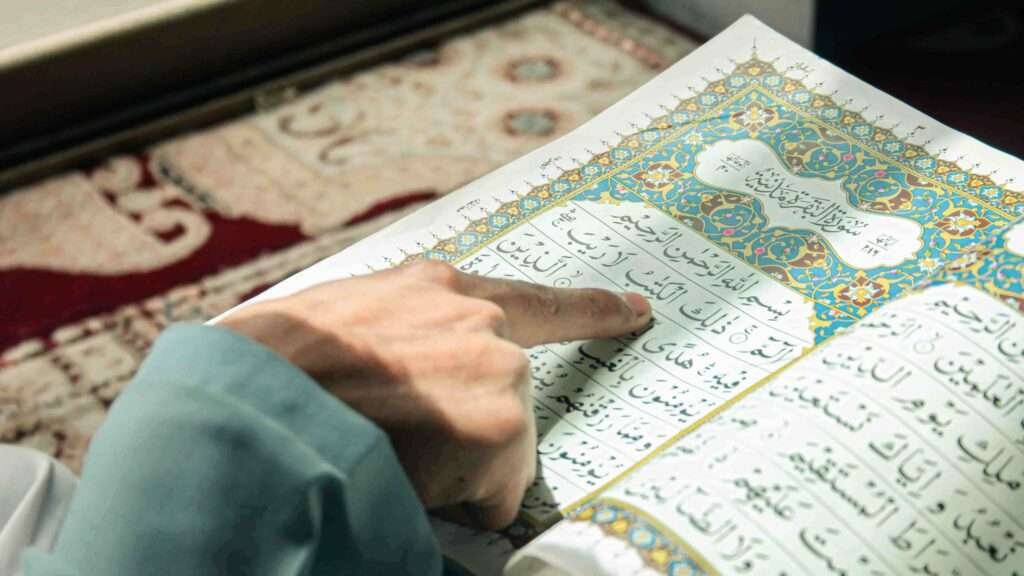
The Holy Quran is an all-inclusive Book of humanity. It’s not just a holy book, but guidelines, wisdom, and moral values we can learn from the Quran. Muslims consider the Quran to be both a record of past guidance and a means of dictating God’s will for mankind on matters contemporary with it. It is always applicable and suitable for every age.
The Qur’an shows us how to live in faith, patience, honesty, and compassion. Its teachings enable people to develop their personality and benefit society. These are some of the key lessons that we get from the Holy Quran.
The Value of Trust in Allah
One of the fundamental teachings in the Quran is faith/belief in Allah and Allah alone. It is faith that guides life and plots peace in the heart. The Quran describes to us that Allah is the Sustainer and He possesses control over everything.
Good faith helps you stand fast through hard times. It reassures us of the trust in Allah’s plan for us, even when it makes no sense to us. Faith also fosters gratitude in good times and patience in bad. The Quran has made it abundantly evident that success lies in pleasing Allah and obeying His commandments.
Honesty and Truthfulness
The Holy Quran emphasizes honesty a lot. It instructs us to always tell the truth and do what is right. Trustworthy relationships and a firm society are built on honesty.
The Quran discourages lying, cheating, and deceit. It is a reminder because it does not matter what we say or do, Allah will never forget us. Moral Conduct being Honest reminds us that the virtue of honesty can lead to peace within and respect from others. Honesty is not just in speech. That’s actions, motives, and promises.
Patience During Hardships
Life is a test, and the Quran teaches us to be patient. Patience allows us to be unflappable and optimistic in the face of trials. The followers are also reminded in the Quran that hardships are temporary and a test of their belief.
Patience isn’t accepting defeat or ignoring injustice. It is learning how to trust in Allah and still do what is good. Those who endure are promised a reward. Patience teaches man self-control, stoicism, and dependence upon Allah.
Kindness and Compassion Toward Others
The Quran so vehemently encourages kindness and compassion. It reminds us to be kind to others, regardless of who we are. Taking care of the poor, the orphans, and being gentle with parents are emphasized again and again.
And it’s not just humans who can be kind. The Quran also preaches mercy towards animals and environmental stewardship. A benevolent heart harmonizes feelings and diminishes the amount of hatred prevailing in the world. Kindness goes a long way, and it can be just the simplest thing.
Justice and Fairness
The concept of justice is one of the major themes of the Holy Qur’an. It demands that believers be just in their trading, whether it’s to their detriment or not. We must be just in our family lives, business, and as leaders.
The Quran makes it clear that injustice results in disorder and suffering. It reminds us that Allah loves the just. Equitability is what drives communities and creates trust. Equality, honesty,y and responsibility are the basis of justice in Islam.
Seeking Knowledge
Knowledge and learning are highly valued in the Quran. The first revelation was read and was to be comprehended. On the other hand, the ISLAM promotes religion as well as worldly documentation.
Seeking knowledge helps us make better decisions and live better lives. The Quran says that knowledge raises awareness and leads people to Allah. Education is not naturally confined by age or gender. Everyone should learn and think for themselves.
Accountability and the Hereafter
The Quran says remember that life here is but for a short duration. Each individual shall have to give an account of their own deeds in the Hereafter. That belief leads to right conduct and righteous lives.
Understanding consequences can encourage right over wrong. And it encourages them to perform good acts when no one is observing. Responsibility gives you a sense of a mission in the day.
Gratitude for Blessings
The lesson of Thankfulness in the Quran is very strong. It teaches gratitude for the little and big things. When you’re grateful, you feel content; it allows you to enjoy and appreciate life more.
Gratitude is a good way to lower complaints and negativity. According to the Quran, being thankful results in receiving more and satisfaction within. A thankful person sees the mercy of Allah in every situation.
Self-Discipline and Control
The Quran trains the believer’s self-control in his thoughts, his actions, and his desires. It advises the control of anger, avoidance of vices , and moderation.
Self-discipline results in personal growth and improved relationships. It has value in terms of focusing attention on a goal and a set of values. A person realizes a balanced life and a meaningful existence through discipline.
Unity and Brotherhood
The Quran teaches unity to mankind. The central idea is that all men are created equal. The culture or language divide should not happen.
To form strong communities, you must cultivate brotherhood and cooperation. The Quran promotes peace and being there for one another, the theory goes. Unity gives strength to society, and peace is established.
Conclusion
The Holy Quran is guidance for all times. Its teaching is faith, truthfulness, patience, kindness, justice, and gratitude. And such teachings help individuals develop strong moral character and build a better society.
By examining and using the wisdom of the Quran, individuals can find a sense of peace and be grounded with a purpose and direction for living. The Qur’an is a book to be lived, not simply read.
FAQs
What is the Holy Quran all about?
The message is basically faith in one Creator, living a pious life, and preparing for the next world.
Do non-Muslims have anything to learn from Quranic teachings?
Yes, the Quran espouses universal values of honesty, justice, patience, and compassion.
The Quran is full of emphasis on patience. What’s with that?
Patience alsohelpss religionists remain robust during trials and gives confidence in Allah’s wisdom.
What is the house of Abraha,m and how does it guide daily life in the Quran?
It is a source of ethics for conduct, interpersonal relationships, and decisions.’
Is the Quran suitable for the modern age?
Yes, its message is prescient and coterminous with both personal, social, and ethical challenges in the present historical moment.
