+1 (380) 206-9388

+44 (7365) 472-500

Latest Articles

Latest From Our Blog

Explore articles to help you learn the Quran effectively and stay updated

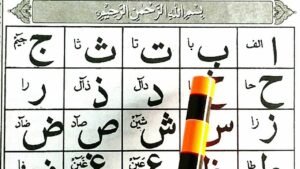
Teaching children to read the Quran is a good starting point, and the Noorani Qaida is the initial step. It makes children aware of Arabic letters, their meanings, and the sounds they represent, and prepares them to recite the Quran properly. Nevertheless, most parents and educators find it hard to entertain the children at this first stage of learning. Children can be taught well when the lessons are easy to comprehend, interactive, and not overly different. Noorani Qaida can be made simple, fun, and efficient by employing the appropriate teaching techniques for children. The guide provides real-life techniques and strategies to help children learn more quickly and develop confidence and interest in reading the Quran. The Significance of Noorani Qaida to Children Noorani Qaida is not a book for laypeople. It is a whole system that forms the basis of the Quran reading. It imparts to children the correct ways of pronouncing Arabic letters and linking these letters into words. Children may not learn Qaida as expected; therefore, they may find it difficult to master Tajweed and fluency in the future. Key Importance: Develops a great Arabic reading background. Enhances the pronunciation at the beginning. Trains children into reciting the Quran. Reduces mistakes in Tajweed Acquires reading skills. Knowledge on How Kids Learn Best To gain clear insight into children's learning process, the learning of Noorani Qaida should be considered before it begins. Children have limited attention and prefer to learn through repetition, images, and interaction. The methods of teaching ought to suit their age, interests, and learning style. Key Learning Principles: Children will learn by repetition. Memory is enhanced with visual and audio learning. Lessons of short duration are better. Confidence is increased by positive reinforcement. Fun activities develop engagement. Begin with Alphabet Recognition in Arabic The initial stage of Noorani Qaida is to help children identify Arabic letters. This step ought to be easy and gradual to gain deep comprehension. Do not hurry; simple fundamentals may come back to haunt you. Successful methods of teaching letters: Present letters in a sequence of 2-3 letters. Visual learning with flashcards. Repeat letters daily Speak articulately. Use colorful charts or books. Pay attention to Good Pronunciation (Makharij) In the Quran, reading with proper pronunciation is imperative. Children would have to get familiar with how to pronounce the letters based on their correct place of articulation. The process is slow and involves practice. Pronunciation: How to get better at it: Mouth and tongue position. Ask children to follow you. Correct mistakes gently Train each day in brief sessions. Support for audio recitations. Apply Repetition and Daily Practice The secret of learning Noorani Qaida is through repetition. To retain the lessons, children are required to revise lessons frequently. Stability is greater than extended hours of study. Best Practices of Repetition: Restate past lessons each day. Practice reading aloud Make lessons brief but frequent. Read problematic words on several occasions. Establish a daily learning routine. Create an Interactive and Fun Learning Unless lessons are interesting, children lose interest. When fun activities are added, they will be motivated and enjoy learning. Interactive techniques enhance knowledge and retention. Ideas to Make Learning Fun: Play with letters and sounds. Recognize achievements with minor rewards. Apply narrative skills. Add quizzes and a challenge.s Foster good competition. Word Formation and Teach Letter Joining Having known single letters, children have to be aware of how letters relate to create words. This is a crucial measure within Noorani Qaida. It assists children to go beyond recognition to real reading. Teaching Tips: Demonstrate the change of shape of letters in words. A combination of two letters of practice. Raising difficulty step by step. Draw examples out of Qaida lessons. Reading small words should be encouraged. Implement Simple Tajweed Commandments Noorani Qaida also proposes simple Tajweed rules to help children read properly. These policies are to be introduced slowly. Never give out too many rules at the same time. Basic Tajweed Concepts: Madd (stretching sounds) Noon and Meem rules Stop and pause rules. Proper flow of recitation Provide a Positive Learning Environment The environment surrounding the child is supportive and encouraging. The interest can be diminished by pressure or strict behaviour. Motivation is important in learning achievement. Creating a good environment: Praise small achievements Avoid harsh corrections Be patient and supportive. Set realistic goals Encourage regular practice Learn online with Quest Quran Quran learning has been facilitated by modern technology. Numerous online sites offer interactive lessons on Noorani Qaida for children. The tools will assist teachers and parents in their teaching work. Benefits of Online Learning: Availability of professional educators. Interactive and interactive lessons. Scheduling of learning. Audio and visual support One-on-one attention Track Progress and Set Goals Monitoring the progress keeps the parents and children motivated. It also helps guide learning in the right direction. It is simpler and better organized when setting small goals. Progress Tracking Tips: Set weekly learning targets. Review completed lessons Identify weak areas Celebrate milestones Change the teaching speed where necessary. Common Mistakes to Avoid Many parents make numerous mistakes without knowing, which delays the learning process. These mistakes can be prevented to achieve better outcomes. Mistakes to Avoid: Rushing through lessons Disregard of pronunciation mistakes. Skipping revision Extensive and laborious sessions. Failure to make learning interesting. Conclusion It takes patience, consistency, and the right way to teach Noorani Qaida to kids. When taught properly, it forms a solid foundation for Quran reading and helps children learn to pronounce correctly and with confidence. Parents and teachers can make learning easy and fun through simple, interactive, and structured approaches. It is important to concentrate on slow progress, practice, and a positive learning atmosphere. Children are capable of successfully navigating through Noorani Qaida and then proceeding with their Quran education process without trepidation with the right guidance. FAQs 1. When does Noorani Qaida begin with kids? It is possible to start learning Noorani Qaida at the age of 4 to 5, when children will have enough capacity to concentrate and learn. 2. What is the duration of Noorani Qaida? Time taken is normally 3 to 6 months, which is based on the learning speed and regularity of the child. 3. Is it possible to teach Noorani Qaida at home? Indeed, home-based instruction for parents can be achieved through clear instruction, practice, and learning materials. 4. Does Tajweed have to be on the Qaida level? There are fundamental rules of Tajweed, and they ought to be taught gradually during the Qaida study. 5. How should one maintain the kids' curiosity to learn? Interactive approaches, games, rewards, and brief lessons are used to ensure that children remain active.
Noorani Qaida

Easy and Effective Methods to Teach Noorani Qaida to Kids

Teaching children to read the Quran is a good starting point, and the Noorani Qaida is the initial step. It makes children aware of Arabic letters, their meanings, and the sounds they represent, and prepares them to recite the Quran properly. Nevertheless, most parents and educators find it hard to

Read Article »
DMCA.com Protection Status