The act of washing is known as wudu and is one of the greatest acts of purification in Islam. Muslims purify themselves before offering Salah, touching the Quran according to some scholars, and performing some acts of worship. Wudu is not just a washing of the face, hands, and feet, however. It is also a time to recall Allah (SWT), ask Him for blessings, and prepare the body and heart for worship.
Learning the correct method of wudu and authentic daily duas helps every Muslim perform worship with confidence. At our online Quran academy, students learn wudu, daily duas, Tajweed, and Quran recitation through live one-to-one classes with qualified teachers.
Muslims should first mention the name of Allah before they start wudu. The Prophet Muhammad (ﷺ) urged the believers to start many practices of worship with the mention of Allah, such as the practice of ablution.
What should one say before making wudu?
The correct expression to say before performing Wudu is the following:
بِسْمِ اللَّهِ
“In the name of Allah.”
While many books refer to longer duas or supplications before Wudu, there is no authentic hadith that has recorded a particular lengthy dua before Wudu. The Sunnah is to start with the words “Bismillah.” This simple statement is a reminder to Muslims that all acts of worship should start with a reminder of Allah.
Students of online Quran classes are able to learn the proper method of wudu, duas, and Salah daily. Being aware of authentic Sunnah helps Muslims evade the weak or unauthentic narrations and boosts their worship.


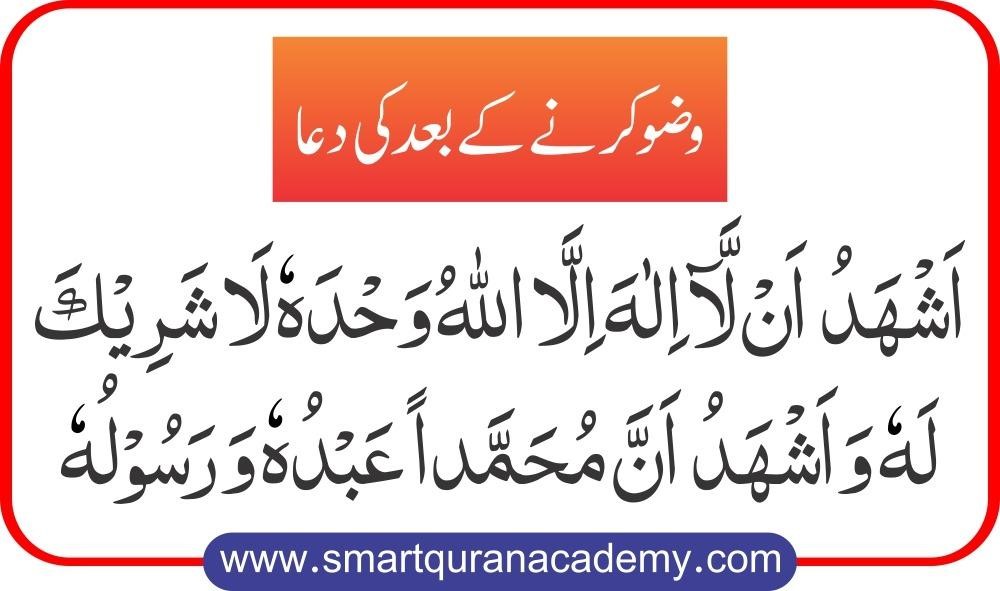
Once the Prophet Muhammad (ﷺ) completed his wudu, he instructed a beautiful dhikr with immense rewards.
أَشْهَدُ أَنْ لَا إِلٰهَ إِلَّا اللَّهُ وَحْدَهُ لَا شَرِيكَ لَهُ، وَأَشْهَدُ أَنَّ مُحَمَّدًا عَبْدُهُ وَرَسُولُهُ
This is one of those supplications that are recited after Wudu is completed and is one of the most authentic ones. It includes a declaration of faith and a sincere plea to Allah to keep the person who recites it among those who cringe and keep themselves spiritually pure.
اللَّهُمَّ اجْعَلْنِي مِنَ التَّوَّابِينَ، وَاجْعَلْنِي مِنَ الْمُتَطَهِّرِينَ
A trusted Quran learning academy usually imparts the Arabic with transliteration and meaning as well, so the students know not only how to say the dua but also the meaning of the dua with respect to the words they are asking Allah for on their behalf.
“There is no deity worthy of worship except Allah alone, Who has no partner. I bear witness that Muhammad is the servant of Allah and His Messenger. O Allah, make me of those who always repent and make me of those who purify themselves.”
It is recommended that students learn the post-Wudu prayers through online Quran programs, as they are simple to say and offer many benefits throughout the day.


Wudu is more than a simple practice of cleanliness. It helps Muslims in their mental, spiritual, and physical preparation before they go out to perform their Salah before Allah.
Muslims should not only learn the duas but also how to do them correctly, as the Sunnah requires. By observing these rules, the ablution can be performed properly and sincerely.
Our Quran academy provides one-to-one Quran classes for kids, adults, and beginners to learn the Quran. Students are taught authentic duas for the day, eternal duas, Salah, Wudu, Islamic etiquette, and important lessons according to the Quran and Sunnah, along with Quran reading and Tajweed.
Wudu is one of the greatest acts of purification in Islam, which purifies Muslims physically and spiritually before they stand before Allah for prayer. Because the use of “Bismillah” is at the beginning and the authentic supplication taught by Prophet Muhammad (ﷺ) is at the end, believers make a simple act of washing a meaningful act of worship.
Knowing the meanings of these duas enables Muslims to see just how much Wudu is more than just washing the body and more about repentance, faith, and being closer to Allah. Every ablution is a chance to get a reward if it is done according to the Qur’an and Sunnah, avoiding weak narrations and proper etiquette.
1. Prior to entering into Wudu, what should I say?
When preparing for Wudu, you should say the following:
بِسْمِ اللَّهِ
English translation:
The meaning of the word is “In the name of Allah.”
This is the authentic Sunnah before starting ablution.
2. What is the true dua after wudu?
The authentic dua is
أَشْهَدُ أَنْ لَا إِلٰهَ إِلَّا اللَّهُ وَحْدَهُ لَا شَرِيكَ لَهُ، وَأَشْهَدُ أَنَّ مُحَمَّدًا عَبْدُهُ وَرَسُولُهُ. اللَّهُمَّ اجْعَلْنِي مِنَ التَّوَّابِينَ، وَاجْعَلْنِي مِنَ الْمُتَطَهِّرِينَ
It contains the declaration of faith and a request to Allah that we are among the ones who constantly repent and remain pure.
3. Do you have to make a separate dua for every step of the wudu?
No, there is no authentic Hadith that sets a specific dua for washing each body part during wudu. The Sunnah is to say ‘Bismillah’ before performing wudu and reciting the correct dua after the completion of wudu.
4. What are the advantages of the duas after Wudu?
According to an authentic Hadith, whoever performs wudu properly and recites the prescribed supplication afterwards will have the eight gates of Paradise opened for them, and they may enter through whichever gate they wish.
5. Is the wudu dua easily learned by children?
Yes, the duas before and after wudu are something that can be introduced to children in stages, both before and after they get wudu. By knowing these duas and reciting them from a tender age, they will develop good Islamic habits and will perform wudu according to the sunnah of the Prophet (SAWS).

Understanding the correct duas for wudu is a vital aspect of every Muslim’s daily devotion. At our Quran academy online, children and adults study authentic daily duas, Quran recitation, Tajweed, and Islamic etiquette through tailored one-to-one courses with experienced male and female professors.
Our knowledgeable instructors are here to help you at every stage, whether you are just starting to learn the Quran or wish to deepen your understanding of Islam.